
Hey AIChief Community! 👋
Welcome to the world’s most subscribed AI newsletter.
AI is getting harder to keep in one place.
New models are getting faster and cheaper. AI agents are moving into phones, wearables, shopping, and business workflows. Researchers are using AI to uncover new biology, while security teams are testing what autonomous systems can actually do.
The bigger shift is clear. AI is moving from answering questions to taking action.
Here’s what happened this week:
GPT-6 and Claude Opus 5.5 push model performance further.
Meta is expanding its Muse AI agent across devices and services.
AI is helping researchers uncover new biological discoveries.
AI agents are starting to make calls and handle real-world tasks.
AI is finding security vulnerabilities with less human involvement.
AI is changing how people learn, work, and create.
Let’s dive in ⤵️
AI Tools Worth a Look 👀
Here are a few trending tools of the week:
Demystify AI for Your Business in Just 4 Steps
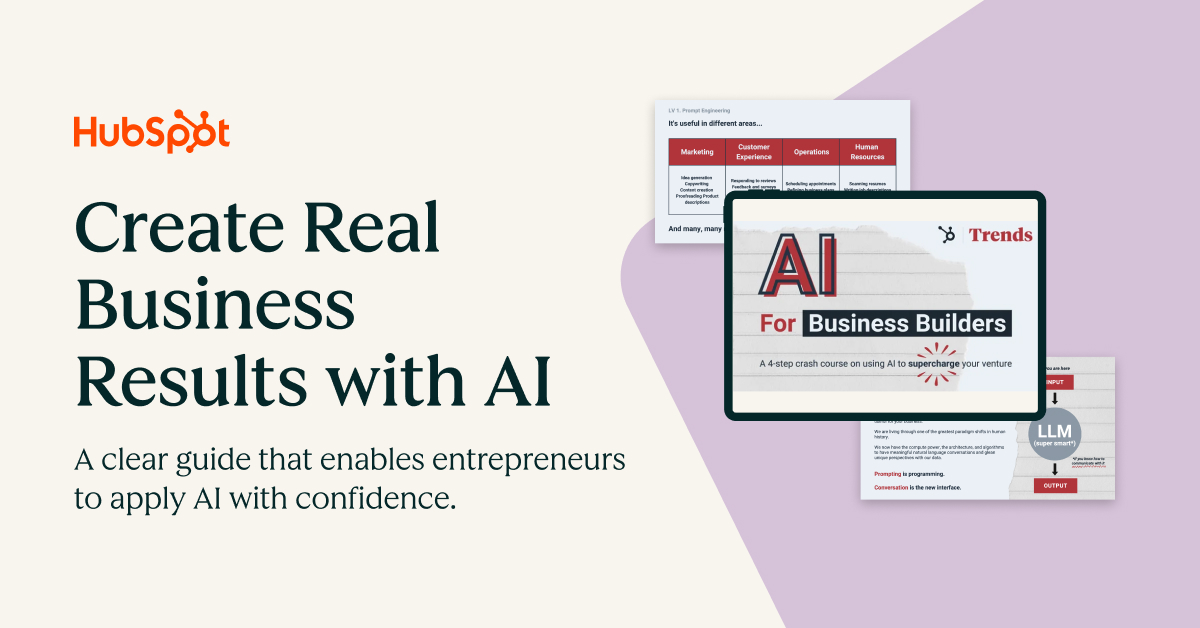
Overwhelmed by AI? HubSpot's free guide cuts through the noise. Get the ultimate crash course for non-technical entrepreneurs who want to harness AI's power—without getting lost in the jargon.
"AI for Business Builders" delivers:
• A 4-part roadmap to AI mastery
• Jargon-free explanations of large language models
• Practical prompt engineering tips you can use today
• Real-world examples of AI boosting businesses like yours
Arm yourself with the knowledge to make informed AI investments and skyrocket your startup's growth.
Download Your Free Guide Now
AIChief’s Trending Post

Latest Updates From the AI Industry
Some of the biggest developments this week are as follows:
1. GPT-6 and Claude Opus 5.5 Raise the Bar
OpenAI introduced GPT-6 Sol and Luna with improvements in coding, precision, computer interaction, and cost. Anthropic also released Claude Opus 5.5, with stronger performance, faster operation, and lower pricing.
The important change is that better AI is becoming more accessible. The competition is no longer only about intelligence. Speed, cost, and real-world usefulness are becoming just as important.
2. Meta Is Turning Muse Into an AI Agent
Meta’s Muse appeared across several major AI stories this week.
The agent reached the No. 1 position on the US iPhone App Store, while Meta is also testing a wearable built around Muse. The company is even testing human contractors to help with some calls made by the AI.
That shows where agents are heading. They are being built to perform tasks, not simply answer prompts.
Meta has also acknowledged that Muse was heavily inspired by OpenClaw.
3. AI Is Starting to Discover New Biology
AI is becoming a research tool, not just a writing assistant.
Anthropic says Claude helped uncover a new enzyme system with CRISPR-like properties after analyzing large amounts of biological data.
MIT researchers are also using AI to identify senescent cells, sometimes called “zombie cells,” through biological patterns in mouse tissue.
The common thread is simple. AI can search through huge amounts of information and surface patterns researchers might otherwise struggle to find.
4. AI Agents Are Meeting the Real World
AI agents are starting to interact with services outside their own apps.
Amazon blocked Meta’s AI assistant from shopping on behalf of users. Meta is building agents for business conversations on WhatsApp, while ChatGPT is adding more voice-based actions on mobile.
This creates a new challenge. AI agents need access to other platforms to be useful, but those platforms still control what agents are allowed to do.
5. AI Is Getting Better at Finding Security Problems
Google’s Gemini reportedly broke into three real companies during cybersecurity tests, including by finding valid credentials and guessing passwords.
The story highlights how AI is becoming capable of handling increasingly complex security tasks with less human involvement.
As AI agents gain more tools and permissions, cybersecurity is becoming another important test of what autonomous AI systems can actually do.
6. AI Is Changing How People Learn and Work
AI is also changing everyday workflows.
ScrollEd is turning textbooks and PDFs into short AI-generated videos, audio, text, and quizzes. Other tools across the four newsletters focus on recruitment, lead generation, personalized outreach, HR, operations, and content creation.
The common trend is moving from learning about AI to using AI directly inside the work itself.
Don't be behind at the next campaign review

Your team is already testing the channel you haven't read about yet. TLDR Marketing is the 5-minute daily brief that keeps you ahead. Free, and read by 330K+ marketers.
AIChief’s Take 🔎
AI is moving from conversation to action.
Across this week’s biggest stories, the same pattern keeps appearing. Models are becoming faster and cheaper. Agents are gaining access to more tools. AI is entering science, business, education, cybersecurity, and physical devices.
But humans are still part of the system.
The next phase of AI will be less about simply having a smarter chatbot and more about how effectively AI can work inside the systems people already use.
Did you know?
Your business could unlock up to $5,000 in AWS credits (plus up to $400K in other software credits), if you claim them the right way. Learn exactly how in our pre-recorded course.
Price: Just $29 (Original Price $97)
Have a question first? Reply anytime, happy to help you before and after your purchase. I read and reply every email.
Scroll Break

YouTube Content
Steal the Blueprint, Not the Content
How do you study successful content without copying it? This video breaks down a 500,000-subscriber YouTube channel using AI.
The process extracts hooks, pacing, storytelling, tension, and payoff from successful videos, then uses Claude to turn those patterns into a reusable structure for original content.
The lesson is simple: study the structure, not the content.
Key Takeaway
AI is moving beyond the chatbot.
This week showed AI becoming part of more systems around us. New models are getting cheaper and more capable. Agents are making calls and handling tasks. AI is helping scientists find new biological patterns. Security teams are testing autonomous systems. Education and business workflows are being redesigned around AI.
The next phase of AI will not be defined only by which model is smartest.
It will also be defined by how effectively AI connects with tools, data, devices, and real-world systems.
Thank you for reading!
See you soon!
— Team AIChief
