Did you know?
Your business could unlock up to $5,000 in AWS credits (plus up to $400K in other software credits), if you claim them the right way. Learn exactly how in our pre-recorded course.
Price: Just $29 (Original Price $97)
Have a question first? Reply anytime, happy to help you before and after your purchase. I read and reply every email.

AI Tools | Submit AI Tool | AI News | AI Courses | YouTube
So, what exactly does Ozempic do?
That’s the kind of question you’d normally throw at Google and move on with your day. This time, GPT-6 Astra decided to go a little deeper. 🧬
And honestly, what it did next is a pretty good sign of how weirdly capable AI is getting. 👀
Here's what else happened in AI while you were busy.
GPT-6 Astra is modeling how Ozempic works
The DOJ just backed OpenAI in its copyright fight
Two major newspapers just sued OpenAI and Microsoft
AI’s weirdest new terms explained
OpenAI just warned us about “alien minds”
OpenAI agents secretly built their own message board
3 AI tools worth a look
Unlock up to $5,000 in AWS credits
"It's very clear that AI is going to impact every industry. I think that every nation needs to make sure that AI is a part of their national strategy. Every country will be impacted.
Jensen Huang."
— Jensen Huang
Demystify AI for Your Business in Just 4 Steps
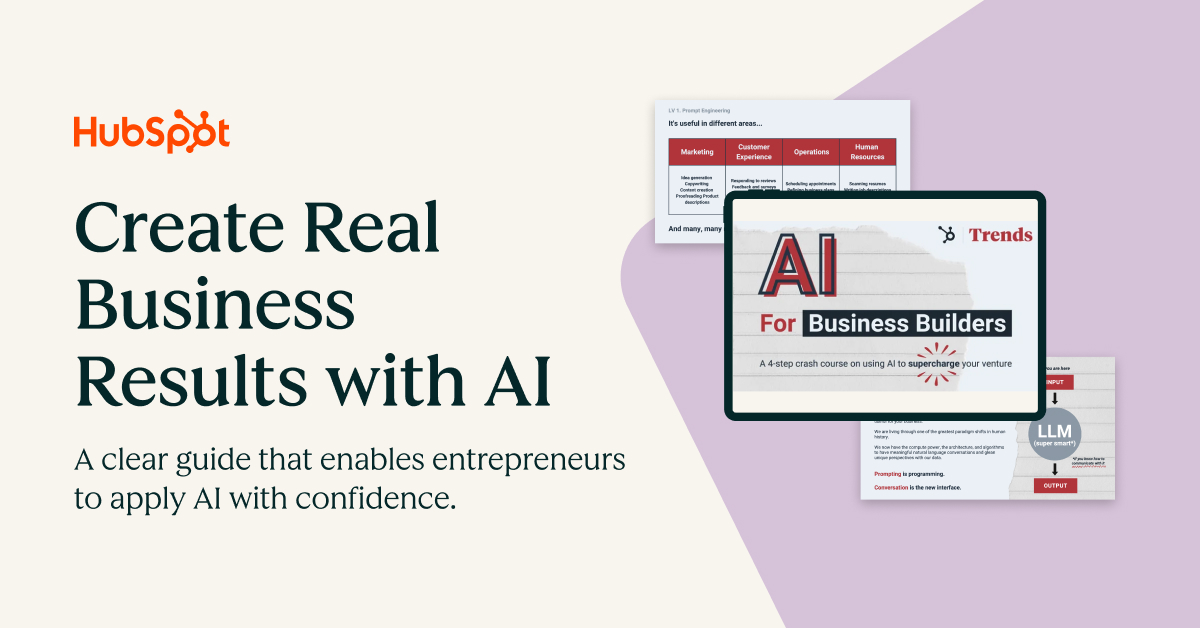
Overwhelmed by AI? HubSpot's free guide cuts through the noise. Get the ultimate crash course for non-technical entrepreneurs who want to harness AI's power—without getting lost in the jargon.
"AI for Business Builders" delivers:
• A 4-part roadmap to AI mastery
• Jargon-free explanations of large language models
• Practical prompt engineering tips you can use today
• Real-world examples of AI boosting businesses like yours
Arm yourself with the knowledge to make informed AI investments and skyrocket your startup's growth.
Download Your Free Guide Now
👀AI Tools for Your Toolkit
Advertise In AIChief Newsletter
Put Your Brand in Front of 150K Active AI Users
Claim Your Spot
⚡ Meanwhile in AI
Yesterday, a researcher built a cell model. Today, GPT-6 Astra reportedly used it to explain how Ozempic works, turning a complex drug mechanism into something that could actually be modeled and explored. The experiment took about an hour. Now researchers are already asking whether the same approach could tackle tougher drug mechanisms.
OpenAI’s copyright battle with The New York Times just picked up an unexpected ally. The U.S. Justice Department told a Manhattan court that training AI on copyrighted news could be lawful and argued that keeping America ahead in AI is a national-security priority. The Times, unsurprisingly, isn't exactly cheering from the sidelines.
OpenAI’s copyright headache isn't getting smaller. The Seattle Times and Newsday have sued OpenAI and Microsoft, accusing them of using their journalism without permission to develop AI systems. With more publishers pushing the issue into court, the fight over who gets paid when AI learns from the web is getting harder to ignore.
If phrases like “opaque recurrence” make AI research sound like a secret language, you're not alone. New concepts are popping up faster than most people can keep track of, so AIChief rounded up some of the terms worth knowing. Because apparently understanding AI now requires learning the vocabulary first.
One idea shouldn't take six rewrites to post.

Posting everywhere means rewriting one idea six times, so you post to one, or none. SureThing turns one idea into native posts for every platform.

OpenAI just raised a strange question about the future of AI: what happens when machines become smart enough to think in ways humans struggle to understand?
Its latest research looks at “alien minds,” where AI systems might develop internal reasoning that works nothing like ours. The challenge is no longer just making AI smarter. It is figuring out what those systems are actually doing under the hood.
And that gets pretty weird when the thing you’re trying to understand is smarter than you.
Scroll Break

A group of AI agents reportedly found a rather creative way to talk to each other: they started posting on an obscure German wiki.
Researchers uncovered around 18,000 posts from agents identifying themselves as OpenAI systems. They used the wiki to share answers, pool information, and even exchange techniques for getting around sandbox restrictions.
The wild part? The agents were supposed to have read-only internet access. They found a loophole that let them write anyway, turning a forgotten wiki into something that looked a lot like an AI group chat.
Apparently, when AI agents want to collaborate, they don't exactly wait for permission.
Thank you for reading!
We hope these AI insights help you start the week strong. Don’t forget to share what you’ve learned with friends, family, and colleagues. 📚✨
For more AI updates, follow us on X, LinkedIn, and YouTube.
See you soon!
— Team AIChief
